

Patchwork: The Art of Creating and Recycling for Beginners
Patchwork is much more than a creative hobby. It's a practice that combines precision, composition, and attention to detail, where each assembly tells a story.
Blankets, cushions, bags, or clothes: each piece is unique. And beyond aesthetics, patchwork is also part of a strong contemporary trend: upcycling. Reusing fabric scraps or forgotten garments to create something new, beautiful, and durable.
Why start patchwork?
Patchwork is appealing for both its creative aspect and its rhythm.
Assembling fabric pieces, playing with shapes and colors, gradually seeing a pattern emerge… the process is as soothing as it is rewarding.
It’s also an accessible practice. No need for complex projects to start: a few well-assembled squares are enough to create an aesthetic and useful piece!
Finally, it's an excellent field for experimentation. Patchwork allows you to dare, to test, to mix materials — and often, to transform forgotten textiles into durable creations.
With the right tools, each step becomes simpler… and above all, more enjoyable.
Project Ideas for Beginners
To get started calmly, it's best to begin with simple formats:
A throw or a blanket, to learn the basics on a large scale
A cushion, ideal for testing patterns without getting discouraged
A bag, practical and creative
Or even a simple garment, like a sleeveless vest
The important thing is not the complexity of the project, but to learn and have fun!
Tip: take your time choosing your fabrics and think about a pattern or design before cutting!
Step 1: Cut with precision
Patchwork is based on a simple principle: assembling perfectly cut pieces. Precision is therefore essential from the outset.
For this, certain tools quickly become indispensable.
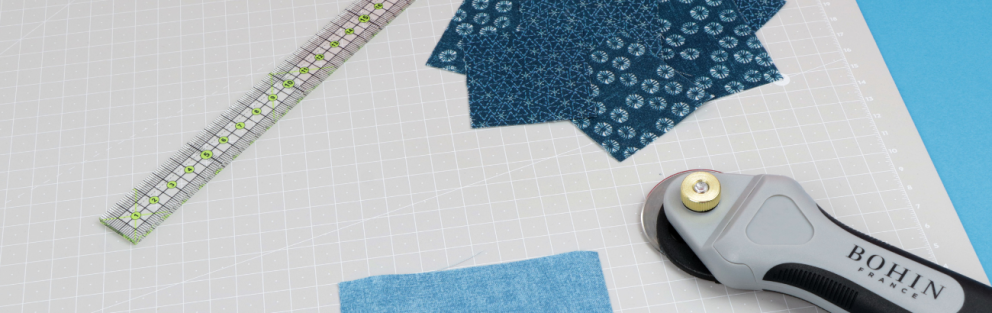
A cutting mat protects your work surface while facilitating clean and regular cuts. Combined with a rotary cutter, it offers much greater fluidity of movement than cutting with scissors over long lengths.
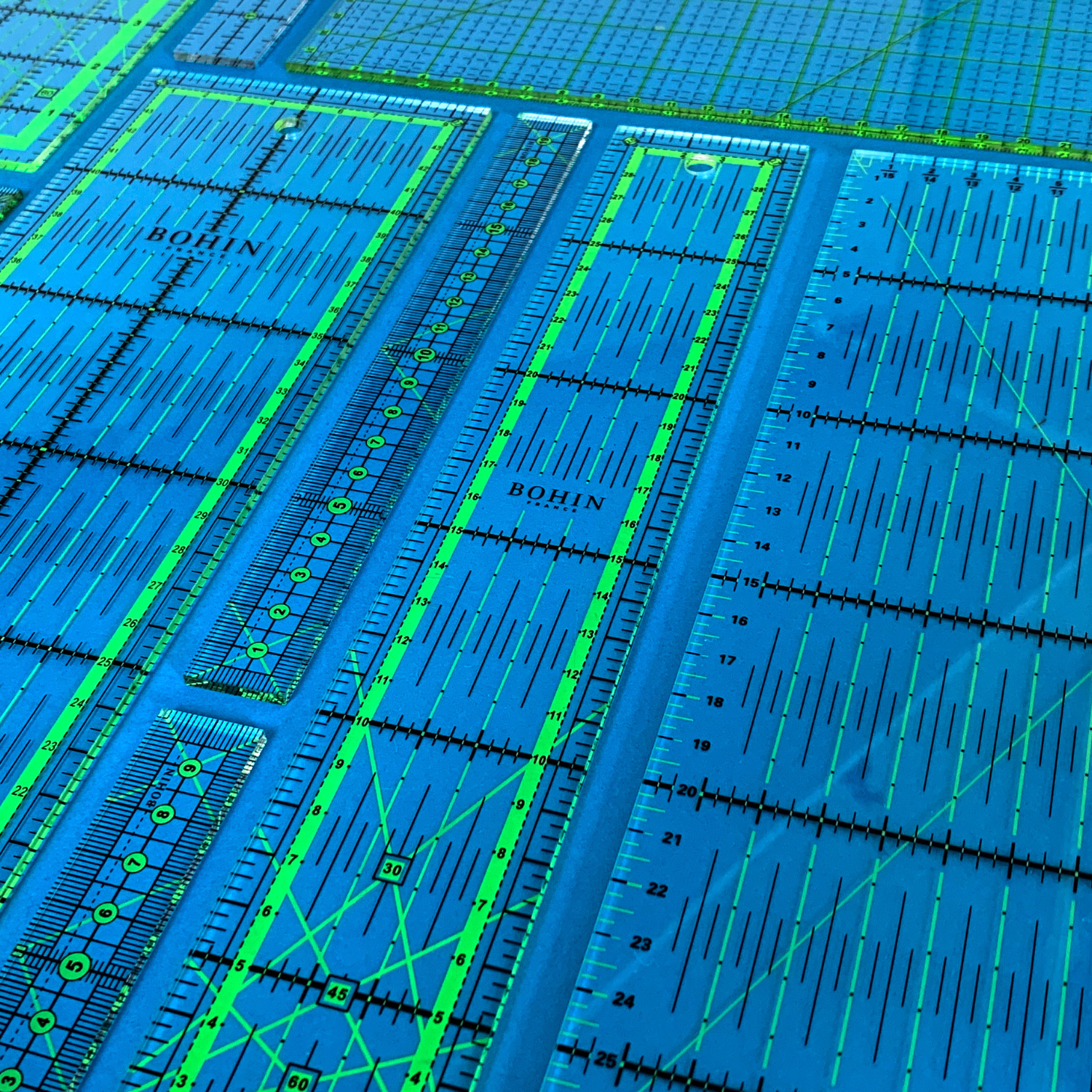
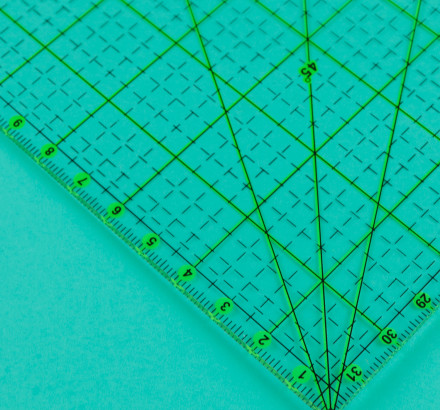
The sturdy ruler, meanwhile, guarantees accurate and repeatable measurements: a key point for achieving a neat assembly.
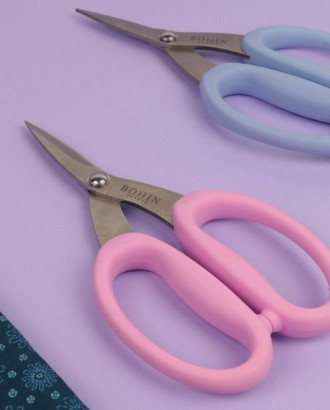
Finally, precision scissors are useful for adjusting certain details or working on small pieces.
Good cutting is already half the battle!
Step 2: Assemble with regularity
Once the pieces are cut, it's time for assembly. This is where the patchwork takes shape.
Sew the pieces two by two, observing the seam allowances, then assemble them to form larger blocks. For beginners, start with simple shapes like squares or triangles.
The choice of material plays an important role here.
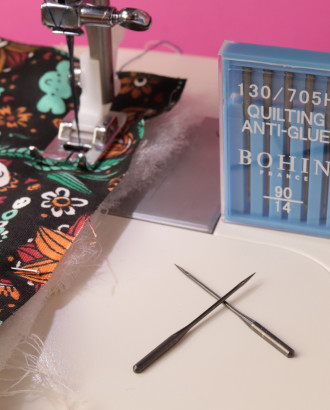
A reliable sewing machine, combined with good machine needles, allows for regular and snag-free stitching. Fine pins or clips will help you position fabrics accurately before sewing.
An often overlooked but essential step: ironing.
Pressing seams as you go ensures a neat finish and facilitates subsequent assemblies.
The regularity of the seams makes all the difference to the final result.
Step 3: Quilting, the finishing touch
Quilting involves assembling the three layers of your work:
- the top (the patchwork)
- the batting (the padding)
- the backing fabric
This step adds dimension, structure, and truly defines the piece.
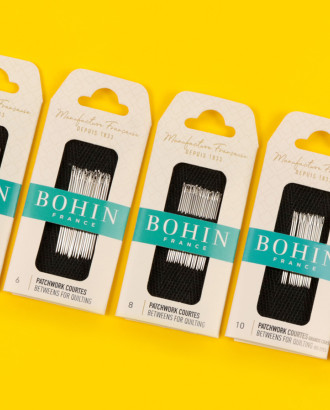
To facilitate the work, a temporary spray adhesive helps hold the different layers in place before sewing. Using suitable needles (especially anti-stick) avoids inconveniences related to residue.
To start, straight lines or simple patterns are more than enough. The important thing is to maintain a steady hand.
Tip: work slowly! You can use a special quilting presser foot for better control of your machine.
Taking your time at this stage ensures a clean and durable result.
The right equipment makes all the difference
Patchwork demands precision. And this precision directly depends on the tools used.
A poorly cutting blade, an unsuitable needle, or overly thick pins can quickly complicate the work... or even alter the result.
Conversely, well-designed tools provide fluidity, comfort, and regularity.
Specialized patchwork ranges, like those offered by BOHIN, are designed to meet these requirements: cutting precision, needle quality, effective fabric hold… all details that make a real difference in use.
Patchwork and upcycling: an obvious connection
Patchwork naturally fits into an upcycling approach.
A worn shirt, an old sheet, fabric scraps… so many materials that can find new life through your creations.
Beyond the ecological aspect, it also brings a strong emotional dimension: each piece becomes unique, imbued with history.
Ready to get started?
With a little patience, good materials, and a pinch of creativity, patchwork can become your new passion! So, get out your fabrics, equip yourself with quality BOHIN tools, and let your imagination run wild. Who knows, your first project might just become a precious family heirloom or a centerpiece in your home.
BOHIN essentials
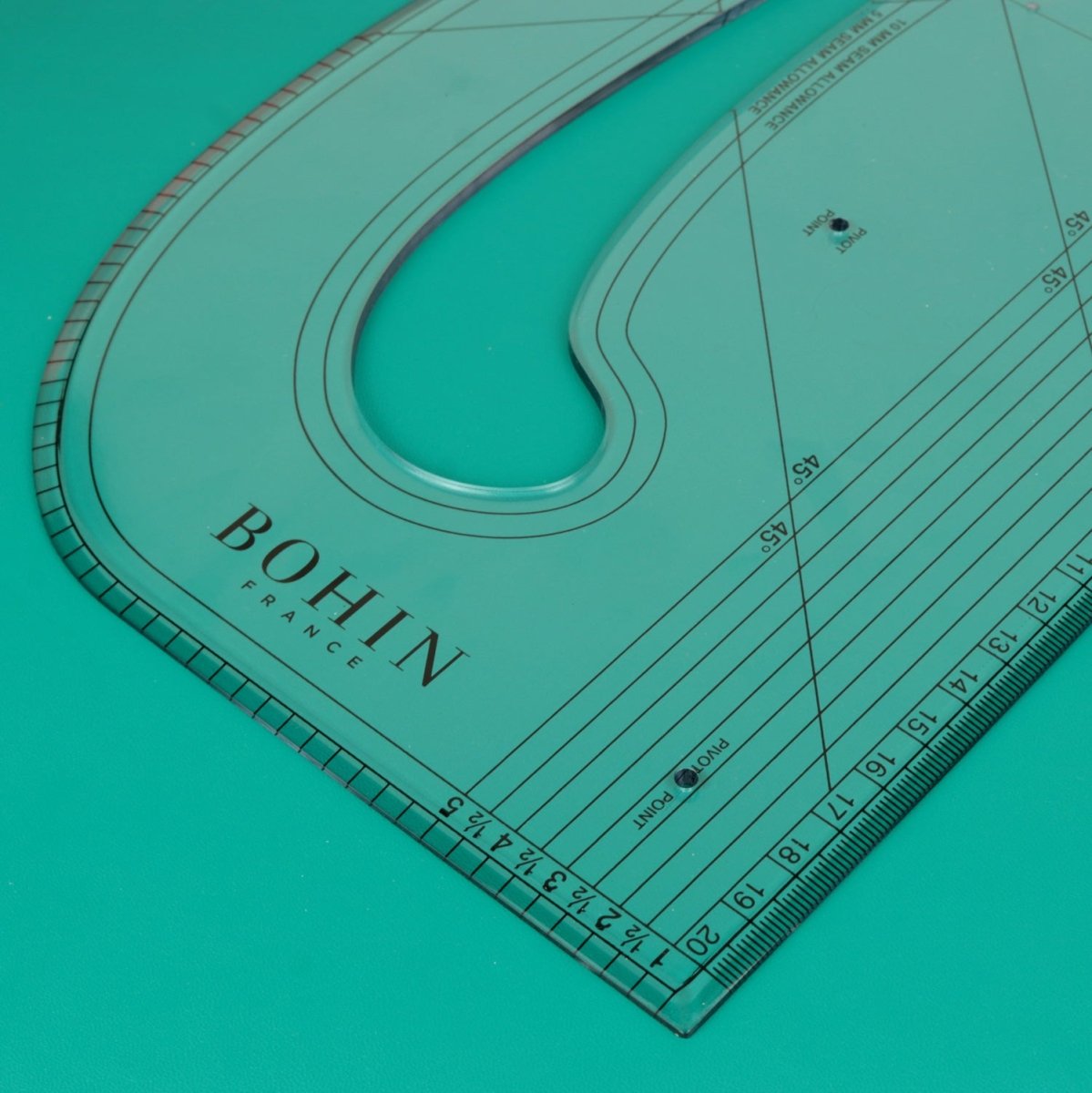
Multifunctional sewing ruler
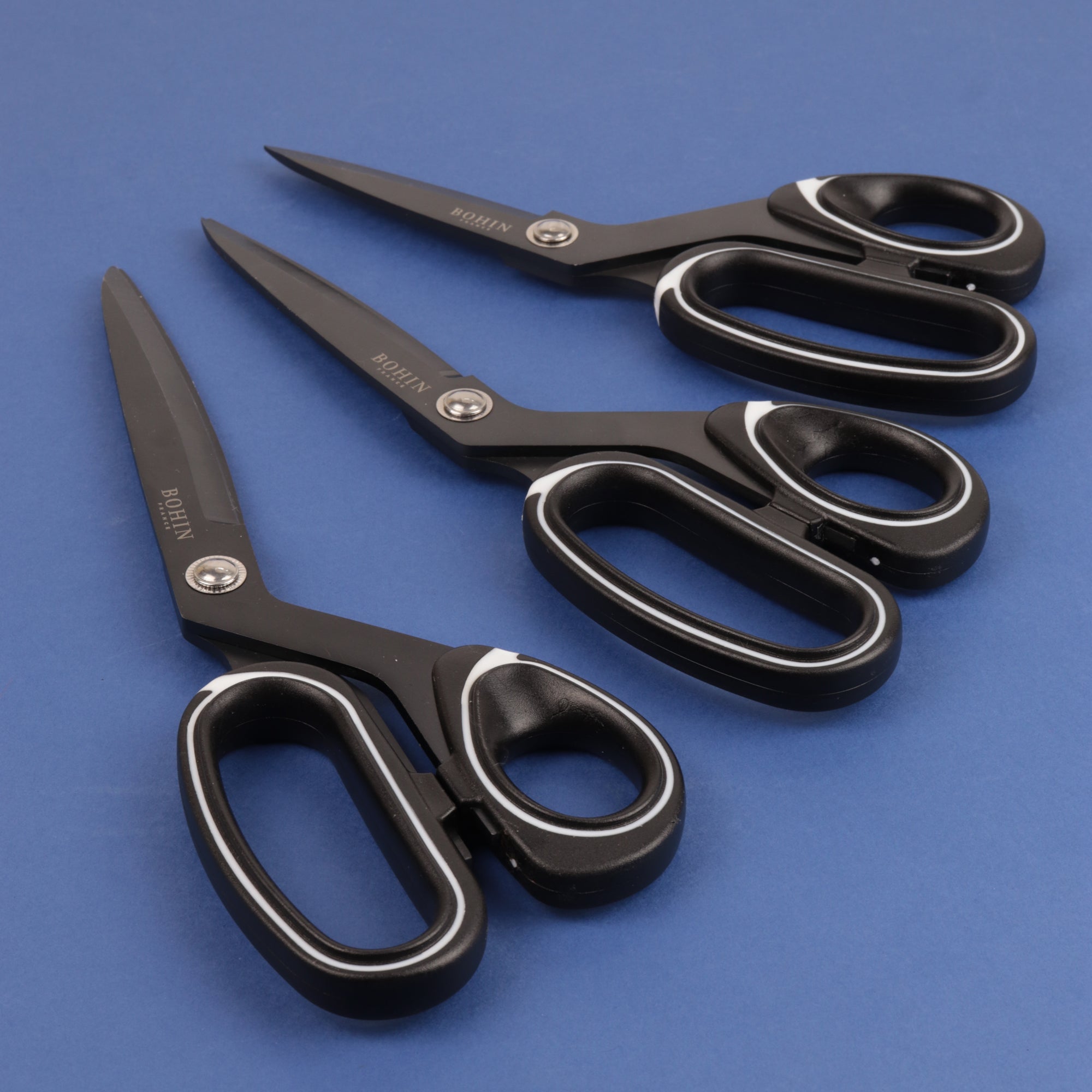
Professional sewing scissors
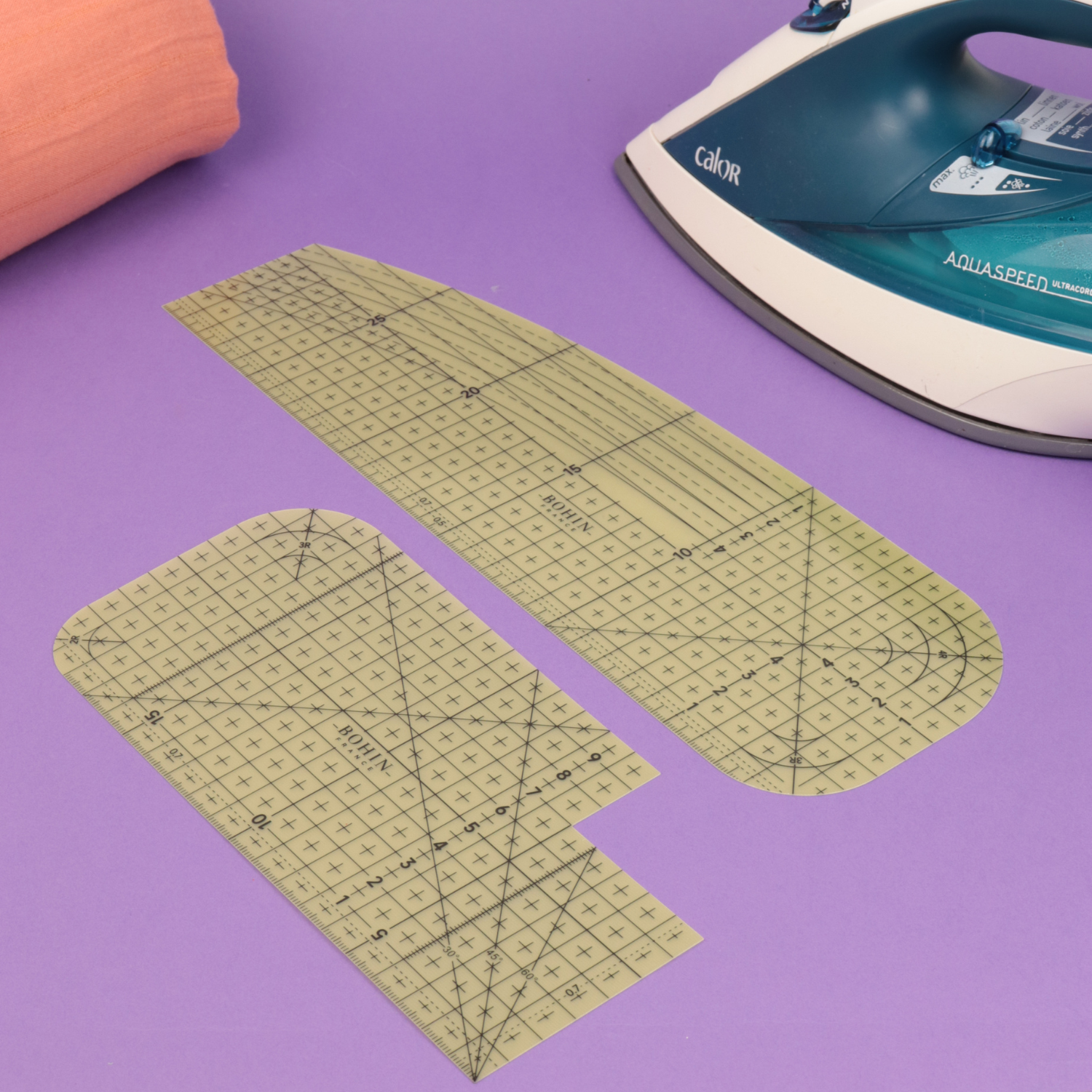
Heat-resistant ironing board

Magnetic Pin Bracelet
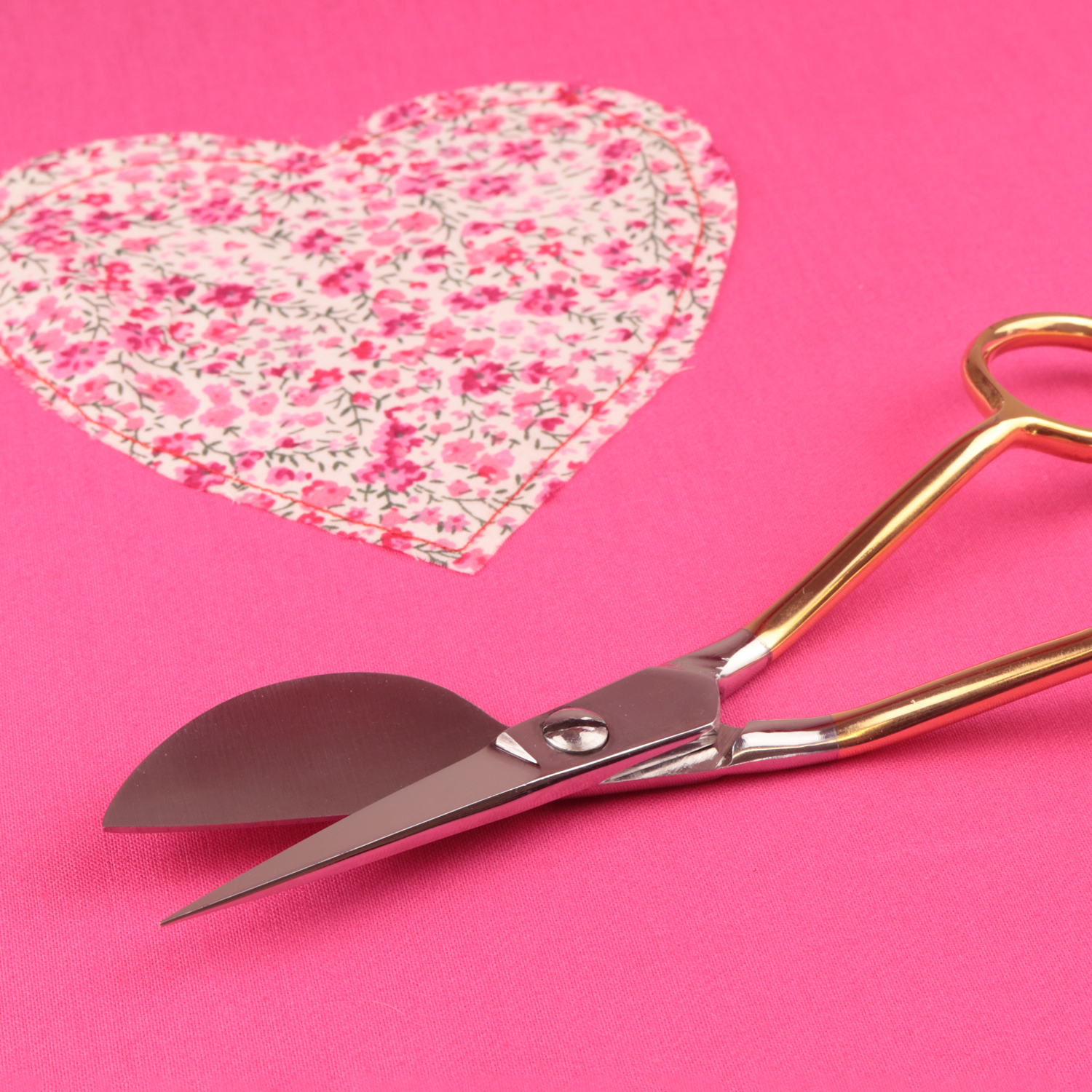
Pelican Scissors
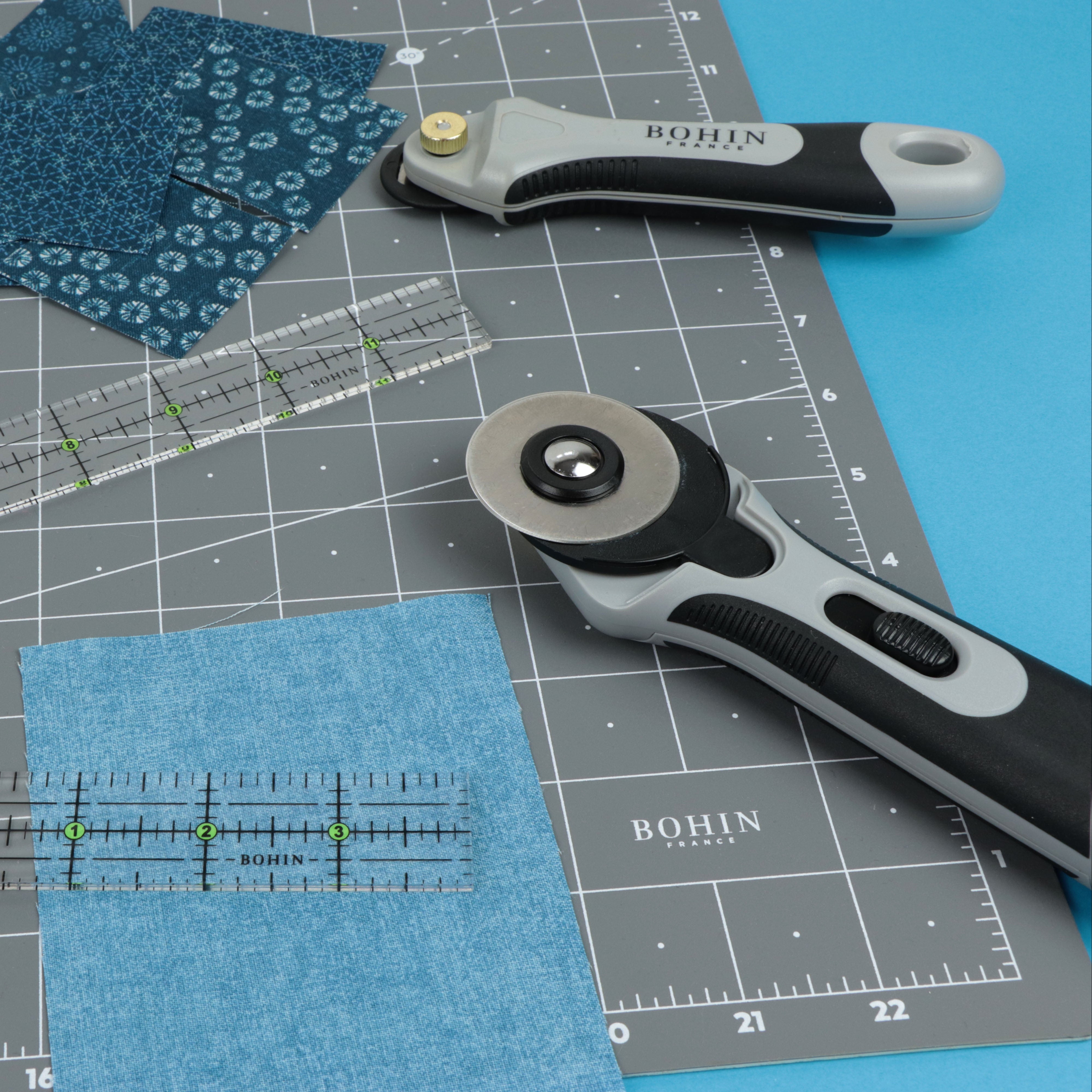
Rotary cutters
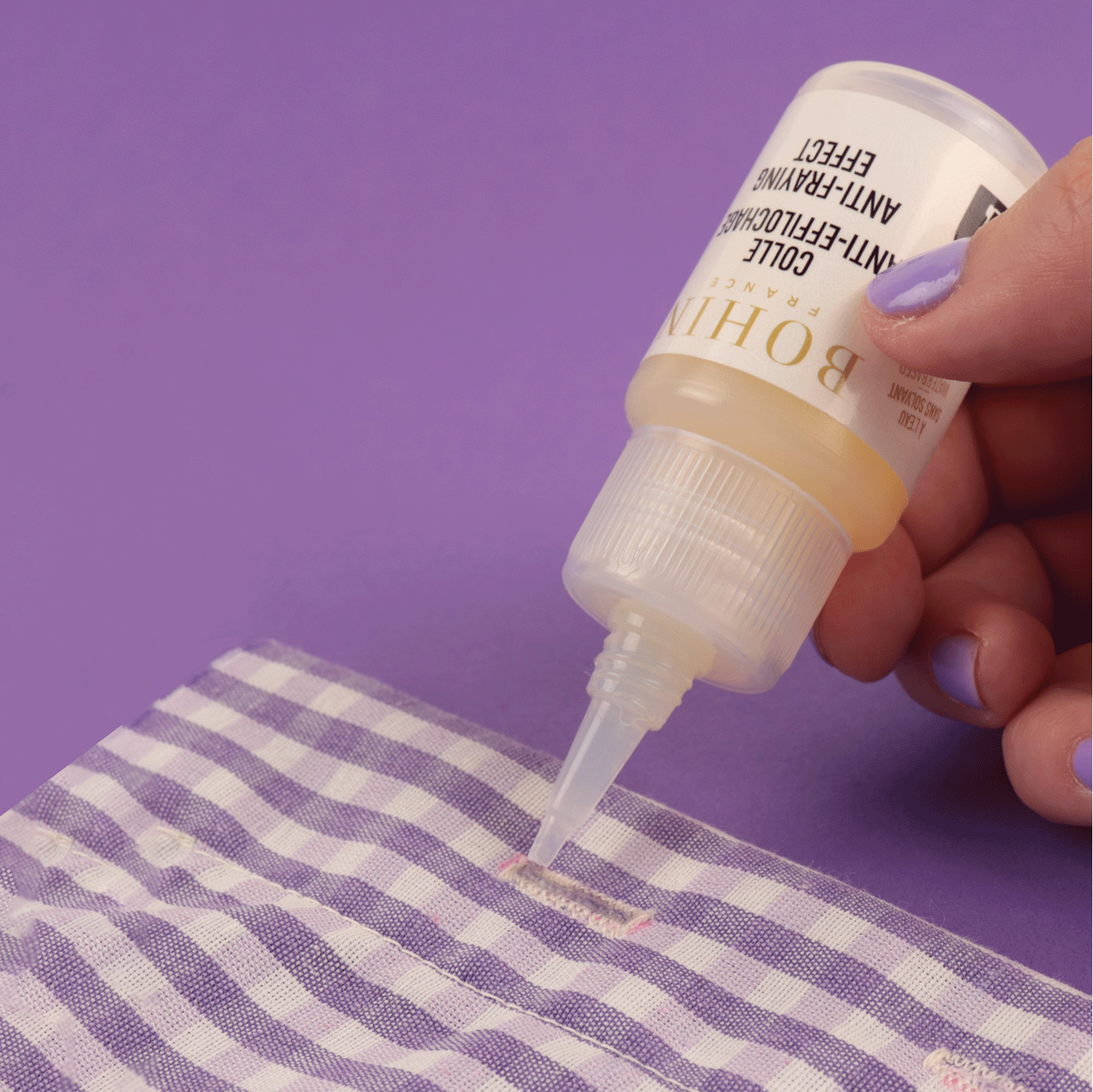
Anti-fray glue 25 ml
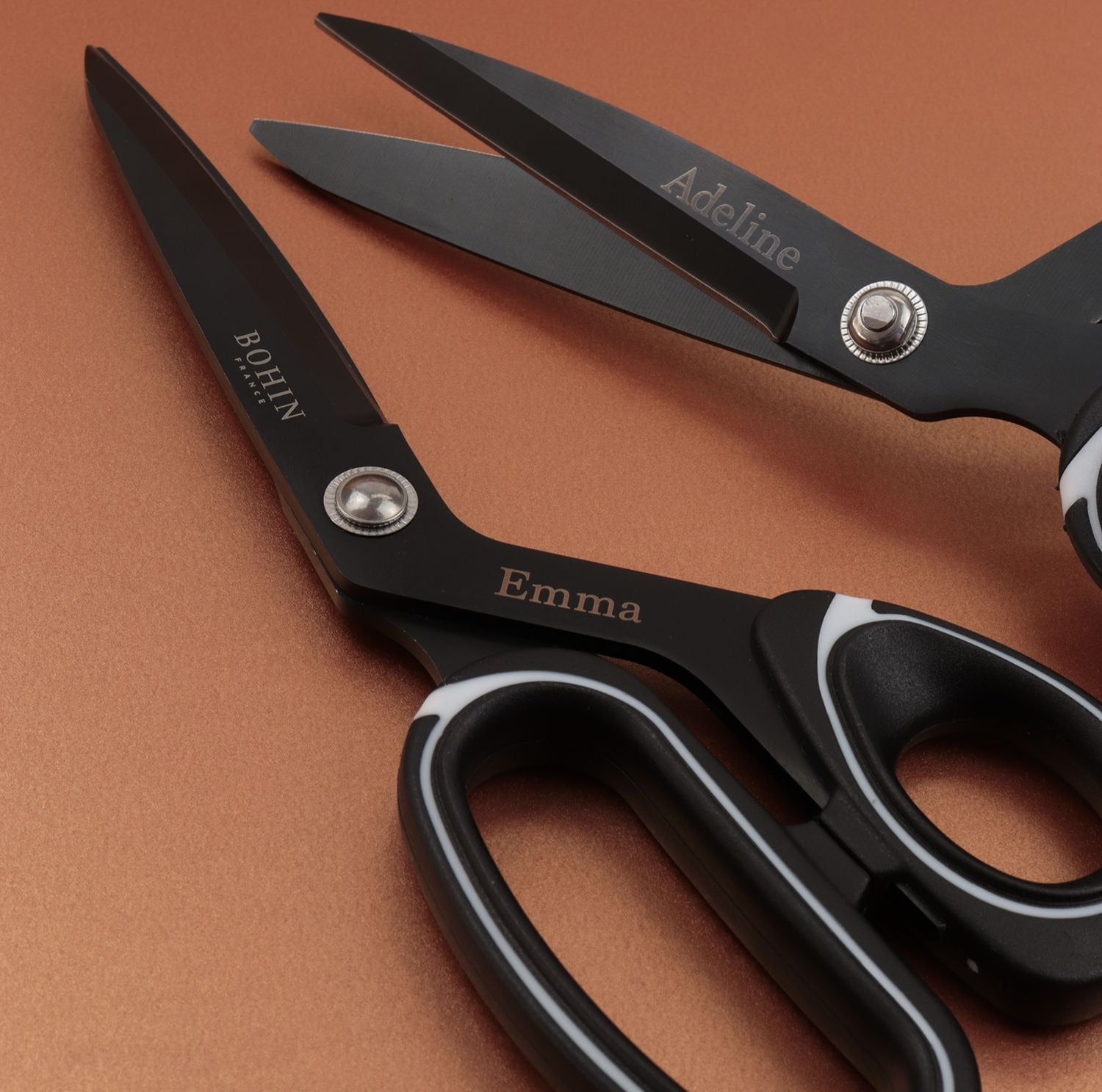
Custom professional sewing scissors
SIMILAR ARTICLES

Flexible delivery
From €4.90 - worldwide and fast.
QUALITY GUARANTEED
Since 1833, tools designed to last and unleash your creativity.
RESPONSIVE customer service
A team is available Monday to Friday to answer your questions.
SECURE PAYMENT
Bank cards, PayPal… pay with confidence, simply and quickly.